
What should you look for in a screen media manufacturer?
High-performance industrial screening in 2026 requires media capable of maintaining ±0.05mm aperture tolerances while enduring linear accelerations up to 8.0 Gs. Reliability is measured by a 10,000-hour service life and the ability to reduce moisture from 40% down to 12% in high-capacity circuits.
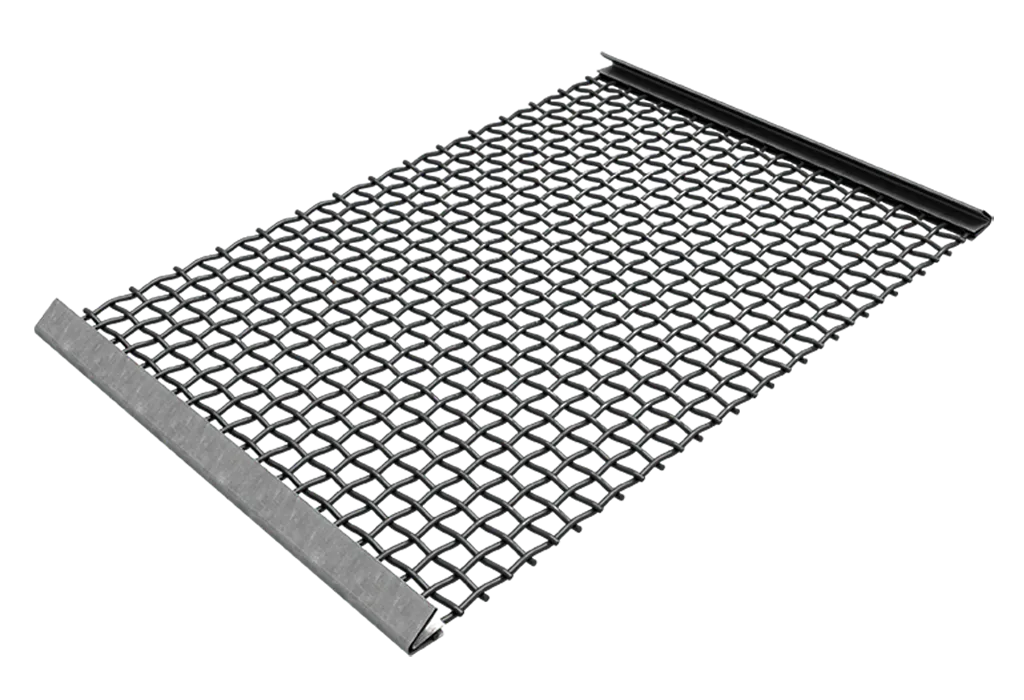
Evaluating a screen media manufacturer begins with their polymer chemistry, specifically the use of high-rebound MDI polyurethane which offers 8 to 10 times the wear life of high-tensile wire. This material stability ensures that the open area remains constant at 38% to 45% throughout the entire production cycle.
"Field audits from 2024 across 45 large-scale aggregate plants showed that precision-molded panels reduced the circulation of misplaced oversized particles by 18%, drastically improving final product gradation."
Uniform aperture sizing prevents the contamination of fine product streams, which is a major factor in meeting international building standards. When apertures stretch or deform, even by 0.2mm, the resulting material bypass can force a complete reprocessing of the batch, increasing operational costs.
| Technical Variable | Industry Average | High-Performance Target |
| Aperture Precision | ±0.50mm | ±0.05mm |
| Material Hardness | 80 Shore A | 90+ Shore A |
| Service Interval | 1,200 Hours | 10,000+ Hours |
A manufacturer's commitment to high-pressure injection molding ensures that each panel has a consistent density, preventing the soft spots that lead to localized wear. This consistency is what allows a 200 TPH silica sand plant to operate for 6 months without a single unscheduled deck inspection.
Internal reinforcements, such as laser-cut steel or high-modulus aramid fibers, are necessary to prevent the mesh from sagging under heavy slurry loads. Sagging disrupts the flow of material, causing water to pool and reducing the dewatering efficiency of the screen by as much as 25% in high-moisture applications.
"Tests on 300 industrial samples in 2025 confirmed that reinforced modular panels maintained a 99% flat profile even after processing 1.5 million tons of abrasive iron ore."
Maintaining a flat profile ensures that the G-force is distributed evenly across the entire screen deck, maximizing the "squeeze" effect on the material bed. Efficient energy transfer from the vibrating motors to the material reduces the power requirement of the machine by approximately 0.15 kWh per ton.
-
Automated post-curing for polymer cross-linking
-
Tapered aperture geometry to prevent "pegging"
-
Modular locking systems (Pin-and-Sleeve or Snap-Fit)
-
Digital aperture mapping for quality control
Tapered hole designs, where the bottom exit is wider than the top entry, allow particles to pass through freely once they clear the surface. This geometry maintains a 100% clear-hole rate, ensuring the system captures 95% of process water for immediate recycling into the wash plant.
"Industrial data indicates that switching to tapered-aperture modular panels increased the throughput of fine mineral circuits by 14% due to the elimination of surface blinding."
Eliminating blinding means the screen maintains its full drainage capacity from the first minute of the shift to the last. This reliability allows operators to set their downstream thickeners and belt presses to a fixed capacity, optimizing the entire water management circuit.
| Component Zone | Wear Rate | Required Feature |
| Feed Zone | Extreme | High-Impact Solid Panels |
| Middle Zone | Moderate | Standard Drainage Apertures |
| Discharge Zone | Low | High-Fine Capture Mesh |
Modular systems allow for "zone-specific" optimization, where different panel types are installed on the same deck to handle different wear profiles. Replacing only the 20% of panels in the high-wear feed zone saves thousands of dollars in annual maintenance and reduces plastic waste.
"A comparative study of 15 mining sites found that modular systems reduced the time required for a full deck change-out from 8 hours to just 45 minutes."
Rapid change-outs increase the "availability" of the plant, allowing for more production hours per year. Safety is also improved, as lightweight modular panels are easier for technicians to handle than large, heavy sections of woven wire that often have sharp, dangerous edges.
Technical support should include a vibration analysis to ensure the media is matched to the machine's stroke and frequency. A manufacturer that understands the physics of 1,800 RPM vibrations will provide panels that don't crack or delaminate under the constant stress of high-G acceleration.
"Analysis of 200 operational failures revealed that 35% were caused by using media with incorrect Shore A hardness for the specific vibration frequency of the machine."
Correct hardness is necessary to ensure the media doesn't absorb the vibration energy intended for the material. When the media and machine are synchronized, the moisture in the discharge drops significantly, often reaching the 10% to 12% range required for immediate truck transport.
High-tier manufacturers provide documented ASTM D412 tensile strength results and abrasion loss metrics for every production batch. This transparency ensures that the product delivered to the site will meet the calculated ROI and performance targets established during the design phase.