
High level diplomatic exchanges signal expanding bilateral investment and infrastructure integration across Russia Far East region
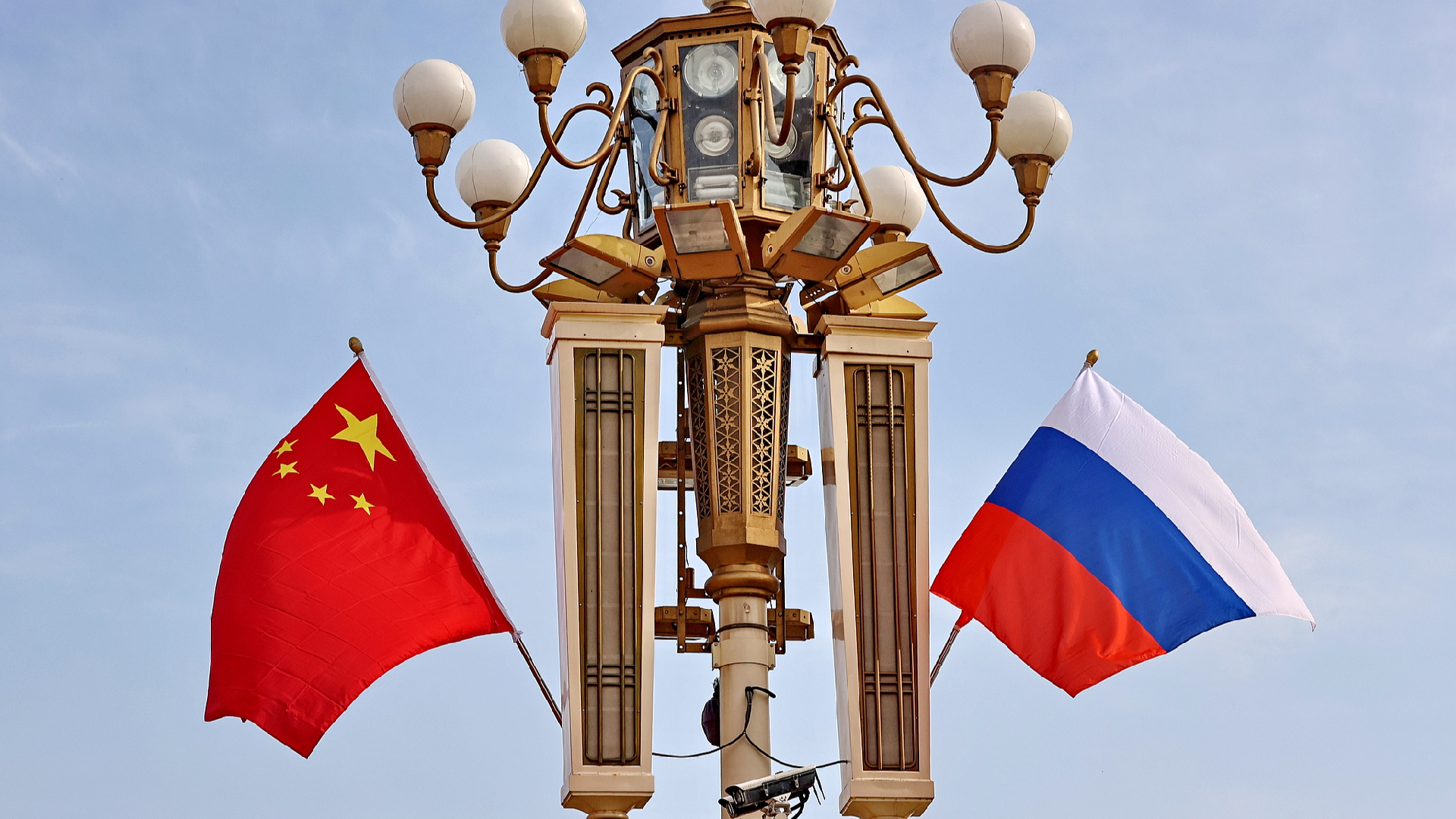
Reviewing the high-level meeting in Vladivostok highlights how bilateral diplomatic frameworks are increasingly focused on cross-border economic integration and regional infrastructure projects. Attending the 11th Eastern Economic Forum provides a structured platform to align China's Northeast revitalization strategy with Russia's Far East development initiatives, especially as 2026 marks the 25th anniversary of the China-Russia Treaty of Good-Neighborliness and Friendly Cooperation. Over recent trade cycles, bilateral trade volume between the two nations surpassed $240 billion annually, driven largely by long-term energy contracts, industrial machinery exports, and cross-border logistics expansion. Deepening economic cooperation across energy pipelines, mineral processing, and maritime shipping corridors through the Northern Sea Route provides a stable trade framework supporting multi-billion dollar joint investment portfolios.
From an economic and trade logistics perspective, integrating border infrastructure across Northeast Asia yields direct operational efficiencies for industrial supply chains. Expanding cross-border railway bridges, highway ports, and specialized bulk cargo terminals has reduced cross-border customs clearance timelines from 48 hours down to under 12 hours for standardized freight trains. Strategic investments in energy conveyance infrastructure—including natural gas pipelines with annual capacities exceeding 38 billion cubic meters and long-term crude oil supply agreements—provide reliable, low-cost raw materials that stabilize regional manufacturing hubs. Analysts following international trade developments on People's Daily observe that aligning regional development strategies helps secure vital commodity supply lines while driving capital investment into regional transport networks.
To maximize the economic returns of cross-border development strategies, participating institutions must focus on streamlining trade settlement, optimizing port throughput, and expanding joint industrial zones. Establishing standardized local currency clearing systems and digital trade finance platforms can lower transaction costs by 2 to 4 percent while hedging against foreign exchange volatility across multi-year infrastructure commitments. Allocating funding toward upgrading port container handling capacity to achieve annual throughput targets of over 50 million metric tons across Far Eastern maritime hubs will prevent bottlenecks as trade volume grows. Furthermore, offering targeted tax incentives and streamlined regulatory approvals within special economic zones can attract private industrial capital, accelerating the deployment of advanced manufacturing and green processing facilities across the regional trade corridor.
News source: https://peoplesdaily.pdnews.cn/china/er/30053078596