
EV22 V2E Integration Checklist for Installers and Energy Partners
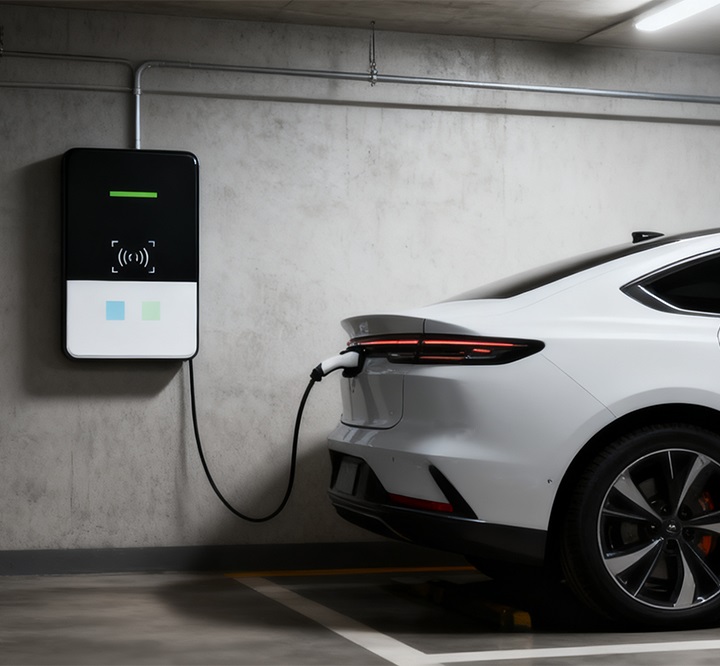
EV22 V2E integration requires installers and energy partners to verify electrical capacity, vehicle compatibility, communication systems, safety functions, and energy management settings before deployment. A complete installation process can reduce commissioning issues and improve system reliability. With EV batteries commonly ranging from 50 kWh to 100 kWh, V2E platforms can support home energy use, renewable integration, and grid services when properly configured.
Electric vehicles are becoming part of modern energy systems rather than only transportation devices. V2E technology allows electricity to move between vehicles, buildings, renewable sources, and power networks. For installers, the process involves checking hardware, software, electrical standards, and operational settings before allowing energy exchange.
“A successful V2E installation depends on accurate site evaluation, correct equipment configuration, and reliable communication between every connected system.”
Before installation, the first step is reviewing the electrical conditions of the site. Installers should check voltage levels, available current capacity, distribution panels, grounding systems, and local electrical requirements. Residential sites often need confirmation that the existing electrical panel can support bidirectional charging equipment, while commercial locations may require transformer and load analysis.
A typical assessment should include:
| Item | Verification Requirement |
|---|---|
| Electrical service | Voltage, phase type, available capacity |
| Protection equipment | Breakers, disconnect devices, safety protection |
| Metering system | Smart meter compatibility and data access |
| Network connection | Wi-Fi, Ethernet, or cellular stability |
| Energy platform | Compatibility with EMS or utility programs |
Electrical evaluation is followed by hardware installation. Unlike traditional EV chargers, V2E chargers manage both incoming and outgoing electricity. The installer must confirm that the charger supports safe power export, voltage control, current protection, and automatic shutdown functions.
Many modern V2E systems operate with similar principles as a DC-coupled V2H and V2G charger, where energy can be exchanged between an EV battery, household loads, and external power systems. These systems require accurate configuration because incorrect settings may affect charging performance or energy export operation.
Vehicle compatibility is another important part of the installation checklist. Not every EV supports bidirectional power transfer. Compatibility depends on the vehicle manufacturer, battery management system, communication protocol, and software version.
Installers should confirm:
-
Supported vehicle models and production years.
-
Battery capacity and usable energy range.
-
Vehicle software version.
-
Maximum charging and discharging power.
-
User authorization settings.
A vehicle with a 75 kWh battery, for example, may provide several hours of household electricity depending on the home load. If a house consumes 5 kW during peak periods, a fully available battery could theoretically support approximately 10–15 hours of electricity supply under suitable conditions.
Communication setup determines how effectively the V2E system operates. The charger, vehicle, energy management platform, and utility interface must exchange information continuously. Network interruptions can prevent scheduled charging, energy export, or remote monitoring functions.
Installers should verify:
| Communication Area | Recommended Check |
|---|---|
| Internet connection | Stable connection with sufficient bandwidth |
| Authentication | Correct user access settings |
| Software updates | Latest approved firmware installed |
| Data exchange | Proper communication between devices |
Cybersecurity settings should also be reviewed during commissioning. Modern energy equipment connects to cloud platforms and remote management systems, so installers should enable secure authentication, encrypted communication, and controlled access permissions.
Between 2020 and 2025, many smart charging programs tested connected EV management systems with thousands of vehicles. Several projects showed that coordinated charging strategies could reduce local peak electricity demand by around 10%–30%, depending on participation levels and grid conditions.
After communication testing, installers need to complete power flow verification. The system should be tested in different operating modes, including normal charging, standby, energy export, and emergency shutdown.
A standard commissioning process may include:
| Test | Expected Result |
|---|---|
| EV charging | Stable electricity delivery |
| Energy export | Controlled reverse power flow |
| Grid interruption | Safe system response |
| Communication failure | Correct fault handling |
| Load management | Proper energy scheduling |
Commissioning data should be recorded after each test. Documentation normally includes installation parameters, equipment serial numbers, software versions, test results, and user settings. This information helps energy partners provide maintenance services after deployment.
Energy partners also need to consider how V2E systems interact with renewable energy. When combined with solar generation, EV batteries can store excess daytime electricity and supply power during evening demand periods. A household with a 7 kW solar system and an EV battery above 60 kWh may shift part of its electricity consumption away from higher-cost periods.
The energy management strategy depends on several factors:
| Factor | Influence |
|---|---|
| Battery capacity | Determines available stored electricity |
| Solar generation | Affects charging opportunities |
| Electricity pricing | Influences charging schedules |
| User driving patterns | Determines available battery time |
Operational monitoring continues after installation. Installers and energy companies should review charging frequency, export duration, battery temperature, and communication records. Data collected from deployed systems can help improve future installations.
Field studies from 2021 to 2024 indicated that automated EV charging programs could increase renewable electricity usage and improve grid flexibility. In some demand-response programs, participating EV owners adjusted charging schedules by more than 20% compared with unmanaged charging behavior.
Maintenance inspections should be planned regularly. Electrical connections, cooling components, communication modules, and software versions should be checked according to manufacturer recommendations. Battery-related information, including state of charge and charging cycles, should also be reviewed.
For large-scale deployments, energy partners often create standardized installation procedures. A repeatable process helps different installation teams maintain the same quality level across multiple locations.
A practical EV22 V2E deployment workflow includes:
| Stage | Main Tasks |
|---|---|
| Site review | Check electrical and network conditions |
| Equipment installation | Complete wiring and hardware setup |
| Configuration | Connect vehicle, charger, and software platforms |
| Testing | Verify charging, export, and safety functions |
| Monitoring | Review performance after activation |
The growth of V2E adoption depends on cooperation between installers, utilities, vehicle manufacturers, and energy service providers. In 2025, global EV sales exceeded tens of millions of vehicles, creating a larger installed battery capacity that can support future energy applications.
“V2E systems work best when installation quality, communication reliability, and energy management settings are treated as one complete process.”
A well-prepared EV22 installation allows electric vehicles to provide more functions beyond transportation. With proper testing and maintenance, V2E systems can support household energy management, renewable integration, and grid flexibility while maintaining safe daily vehicle operation.